Modernization
When to modernize a system and where to begin
How to recognize the cost of staying where you are, choose a first intervention, and assess alternatives before rewriting a system.
One idea to take with you
Choose a change that improves a real task and helps you learn about the system without putting the entire operation at risk.
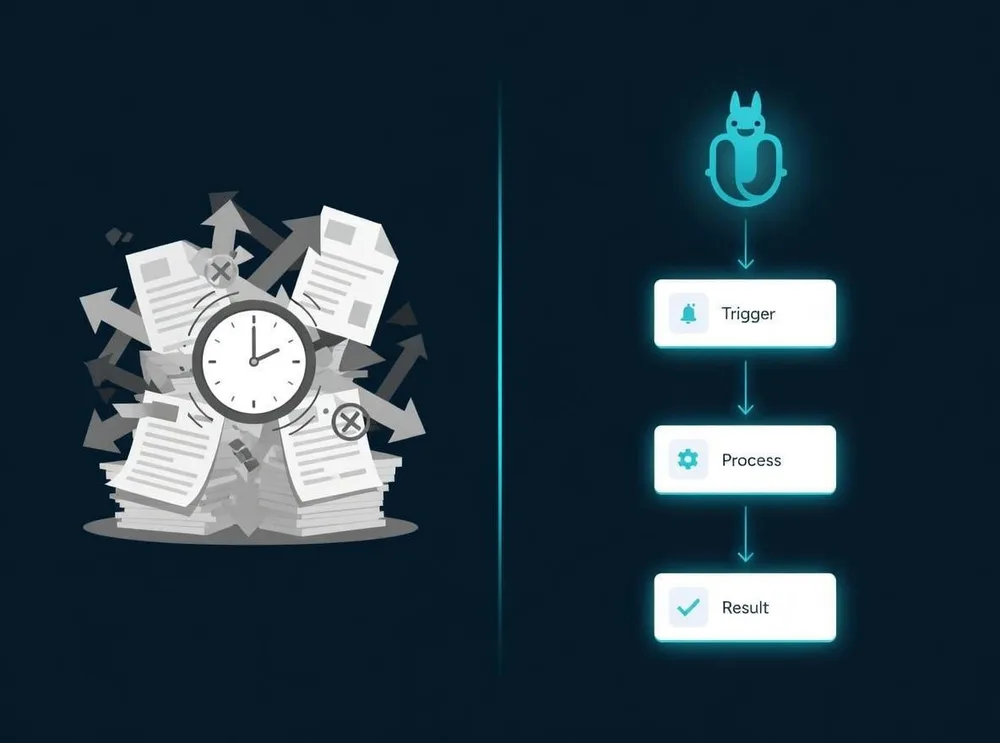
A system can be many years old and still do its job well. A relatively new system can also be difficult to change. To decide whether modernization is needed, look at what happens when the operation needs something different.
Does adding one field require changes across several applications? Does every release depend on one person being available? Do teams keep a parallel spreadsheet because the system cannot support part of their work? Those situations are a more useful starting point than the age of a technology.
Look at the cost of staying where you are
Before choosing a solution, review a few recent changes. What was requested, what had to be modified, where risk appeared, and what manual work remained afterward? Separate problems that affect system users from issues that only inconvenience the technical team.
An integration that fails and forces people to reconstruct orders deserves a different conversation from a screen that could look more current. Both may need improvement, but their priority depends on the operation.
Keep, isolate, or replace
Rewriting everything is an option to assess, not a prerequisite. The system may contain business rules that work well and are not documented anywhere outside the code.
For each part, compare three paths:
- Keep: preserve what works and make its operating conditions explicit.
- Isolate: define a boundary so one part can change without modifying all the others.
- Replace: build an alternative when maintaining the current solution no longer supports the need.
The decision should include data, integrations, a way to roll back, and the people who can confirm that behavior remains correct.
Choose a first intervention you can evaluate
Imagine an order system whose catalog is updated through a spreadsheet. This is an illustrative example, not a client case. Instead of replacing the entire application, a first intervention could improve that update: validate the data, show errors before importing, and record what changed.
That scope lets the people who handle the information assess a concrete improvement. It also reveals system dependencies before larger changes begin. If the central problem lies elsewhere, choose a different intervention.
Agree on what improvement means
“Modernize” is too broad to accept as a deliverable. A more useful condition would be the ability to import the catalog, identify invalid rows, and restore the previous version after an error.
Record how the task works today and what should change. Agree on sample inputs, exceptions, and validation owners. If timing or error rates matter, establish a baseline; there is no need to invent an improvement percentage to justify the work.
What to bring to the first conversation
Prepare a description of the system, a recent change that took more effort than expected, and the constraints that cannot be overlooked. Add the known integrations and the people who use each part. You do not need to arrive with a new architecture already chosen.
The same approach applies to an AI-built prototype. Reviewing users, data, permissions, recovery, and maintenance helps define what it still needs before going into production. Start with what the product must sustain, not with the tool used to build it.
From criteria to your context
Let’s talk about your operation.
We assess the system, its dependencies, and the options for changing it in manageable stages.
Explore ModernizationTell us about your situation →